Best Time to Visit Malshej Ghat: A Season-Wise Guide (+ Where to Stay)
Malshej Ghat doesn’t look the same in July as it does in December — and that’s exactly why “when should I go” is one of the first things people ask before planning the trip. The right season changes what you’ll actually see: full waterfalls and mist in one month, clear trekking weather in another, quieter roads and fewer crowds in a third.
Here’s a season-by-season breakdown of what to expect, plus where to base yourself depending on when you’re travelling.
Malshej Ghat in Monsoon (June to September)
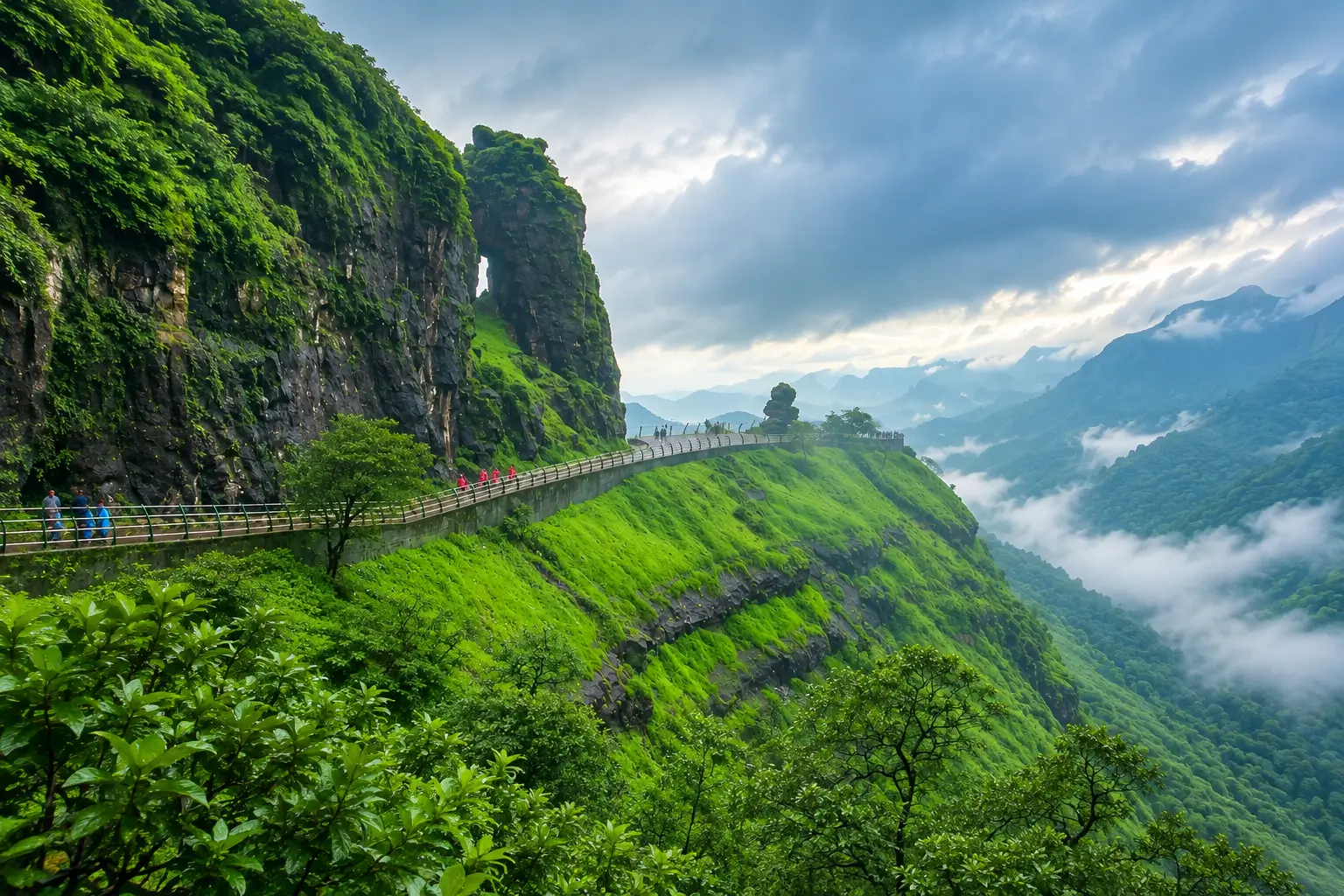
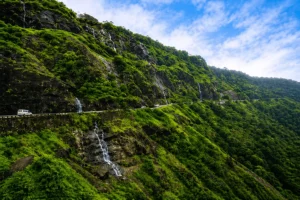
This is Malshej Ghat’s signature season, and the one most people picture when the name comes up. Heavy rainfall turns the hills a deep green, and the ghat road fills with seasonal waterfalls that only exist during these months — some right along the highway, others reached with a short walk. The mist rolling over the valleys is part of the draw here, along with cooler temperatures that make the whole trip feel like a proper escape from Mumbai’s heat and humidity.
Monsoon is also when the region’s bird life is at its most active, with migratory birds arriving to feed around the area’s wetlands and reservoirs — a big part of why nature photographers and birdwatchers time their visits for this window specifically.
Worth knowing: roads can get slippery and visibility drops during heavy spells, so it’s worth checking conditions before you set out for the day, and building some flexibility into your plan rather than a tight schedule.
Malshej Ghat in Winter (October to February)
If monsoon is about waterfalls and mist, winter is about clarity. The rains have passed, skies are generally clear, and daytime temperatures are pleasant enough for full days of sightseeing without the heat or the slippery trails. This is typically considered the better window for trekking and for visiting forts and viewpoints where you actually want an unobstructed view rather than fog.
Evenings and mornings get noticeably cooler, which makes this a good season for anyone who wants a getaway that feels crisp rather than sticky — bonfires, early walks, and quieter mornings among the trees.
Malshej Ghat in Summer (March to May)
Summer is the quietest season here in terms of tourist traffic, which has its own appeal if you’d rather avoid the monsoon crowds. The waterfalls that define the monsoon months mostly dry up, so the draw shifts to early-morning and late-evening visits when the heat is manageable, along with clearer night skies that some visitors specifically travel for.
This season tends to suit a different kind of trip — less about chasing waterfalls, more about a quietnature staycation near Mumbai where the pace is slower and the property itself does more of the work.
             Posted on Google        Maclin Pinto      Beautiful place surrounded with serenity & the  staff too is very welcoming.         Posted on Google        Pallavi Ghodvaidya      Rooms are decently spacious and loft is nifty idea for kids. Property is surrounded by trees and neatly kept. They have welcoming staff & food is good too.         Posted on Google        Ankur Khemka      Nice places close to nature         Posted on Google        Devansh Vats      Amazing experience came back with family to celebrate parents anniversary totally worth it they loved it very much         Posted on Google        Rashi Shinde      My recent stay at The Bird Nest in Shahpur was a truly refreshing escape from city life. Located just about 1 hour and 45 minutes from Mumbai, the journey itself felt like a gradual transition from chaos to calm. Although the drive was a bit tiring, it was absolutely worth it once we arrived.

The property genuinely lives up to its name — it feels like a peaceful nest tucked away in nature. Surrounded by greenery and serenity, it offers a rare chance to disconnect from the noise of everyday life. There’s no TV or typical urban distractions, just pure natural beauty and quiet moments to enjoy with your partner. It’s the kind of place where you can truly unwind and reconnect.

What stood out the most was the hospitality. The staff were extremely polite, kind, and attentive throughout our stay. Their warm and respectful service made the experience even more comfortable and welcoming.

Despite being so close to nature, the property maintained excellent hygiene standards. Everything was clean, well-maintained, and thoughtfully managed — not a single moment felt unhygienic or uncomfortable. It struck a perfect balance between rustic charm and cleanliness.

Overall, The Bird Nest is an ideal getaway if you’re looking for peace, simplicity, and a break from the fast-paced city lifestyle. The calm atmosphere, scenic views, and genuine hospitality make it a place worth visiting.         Posted on Google        Dipesh Gupta      Had the best time over here the staff was so supportive and helpful from check in to check out everything was hassle free I had came here with my friends they also love the vibe of here so peaceful and fun we played log of games over here snooker badminton and eventually this break was much needed for us as most of our time is in office so thank you bird nest for giving this memorable experience         Posted on Google        Shrutesh Dumbre      I recently stayed at Birds Nest Resort for a weekend getaway, and honestly, it felt like a perfect escape from Mumbai chaos. The property is surrounded by greenery, and you can literally hear birds all day, it lives up to its name. The cottages are spacious and clean, with nice sit-out areas to just relax.

The highlight for me was the peaceful vibe and the pool area. The food was yummy and the staff were polite and helpful throughout. It’s ideal if you’re looking for a calm, nature-focused stay rather than a party place.         Posted on Google        Richa Thakur      Stayed at Birds Nest Resort recently and it turned out to be exactly what a weekend getaway should feel like, calm, slow, and genuinely refreshing.

What really stood out to me was how the entire experience is built around time slowing down, not rushing through activities, but actually enjoying moments.

🌲 The Machan – The Best Spot on the Property

The machan is easily the highlight of the resort. It’s a simple elevated sit-out, but the experience it offers is something else.

Sitting there early morning with chai, surrounded by greenery and complete silence, feels like you’ve paused life for a bit. Evenings here hit differently too, with soft light, breeze, and that peaceful vibe you don’t get in the city.

It’s not just a structure, it becomes your go-to space to just exist and unwind.

🍽️ Ghosla Restaurant – Comfort Over Fancy

The in-house Ghosla Restaurant keeps things simple and that works in its favour.

The food is fresh, comforting, and suits the overall vibe of the resort. Whether it’s breakfast, lunch, or dinner, it feels like homely meals rather than heavy hotel food.

It’s not positioned as fine dining, but honestly, that’s not what you come here for. You come here for good food that complements a peaceful stay, and it delivers that well.

🕒 The “Time” Experience – What Makes It Special

What makes Birds Nest different is how it changes your sense of time.

Mornings start slow, with birds and fresh air.
Afternoons are easy, maybe a swim or just doing nothing.
Evenings are for walks, conversations, or just sitting quietly.

You don’t feel the need to check your phone or rush anywhere. That’s the real luxury here, having time to yourself without distractions.

🏡 Overall Stay

The cottages are cozy, private, and surrounded by greenery, giving you that perfect mix of comfort and nature. The staff is warm and helpful, and the property is well maintained.

It’s ideal for couples, small groups, or anyone looking to disconnect from city chaos.

⭐ Final Thoughts

If you’re expecting a high-energy resort, this isn’t it.
But if you’re looking for peace, slow living, and meaningful downtime, this place delivers beautifully.

Would definitely visit again, especially for the machan moments and the calm it offers.         Posted on Google        Rimsha      Really enjoyed our stay here. The property is calm, well maintained, and perfect for a quiet break.

The food was consistently good and the staff was very helpful. We also enjoyed the trek and exploring around.

Great place to unwind. Would visit again.
A few Malshej Ghat attractions are worth building any trip around:
The waterfalls along the ghat road — best during and just after monsoon, with several visible without needing a full trek
Pimpalgaon Joga Dam — a reservoir known for its views and, during the right months, its bird activity
Gorakhgad Fort — a popular climb for trekkers looking for a half-day or full-day route with valley views
Manas Mandir and Sangameshwar Temple — worth including if you want to pair sightseeing with the region’s temples
Exact accessibility, timings, and road conditions shift with the season, so it’s worth confirming current status locally or with your resort before finalizing your route — especially anything requiring a trek during or right after heavy rain.
Where to Stay, Depending on When You Go
Wherever you land on the calendar, basing yourself at aresort near Mumbai rather than inside the ghat itself tends to work better — closer to comfortable amenities, food, and rest after a day out. Birds Nest Resort, set among trees at Kinhavali in Shahapur, works across all three seasons, though what you’ll enjoy most does shift:
Monsoon trips suit travellers who want to combine a Malshej Ghat day trip with proper indoor comfort back at the resort — a pool, games, and a warm meal atGhosla Restaurant after a wet day outdoors.
Winter trips are well suited to trekking-focused stays — this is where the resort’sowner-led trekking is worth building your itinerary around, since clear weather makes for better routes and views.
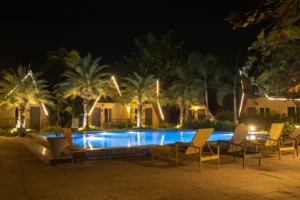
Summer trips lean more toward a quieter, slowernature staycation, with less emphasis on chasing waterfalls and more on the property itself — the pool, the trees, and simply sitting somewhere quiet.
Before booking, it helps to decide what you actually want from the trip — waterfalls and mist, clear trekking weather, or a quiet escape — and let that decide your season rather than defaulting to monsoon by habit. Once you’ve picked a window, theexclusive offers page is worth checking for anything seasonal, and thecontact us page is the most reliable way to confirm current road conditions, trekking plans, and availability for your dates.
For a broader look at the resort itself, start with thehomepage, therooms page, or theabout us page — and if you’re still deciding when to go, theblog has more Malshej Ghat and Mumbai-getaway guides to help you plan.